Things to Do in Port Vila
A volcanic lagoon where French wine meets Melanesian warmth and the Pacific never sleeps.
Top Things to Do in Port Vila
Find activities and tours you'll actually want to do. Book through our partners -- no booking fees.


Plan Your Trip
Essential guides for timing and budgeting
Climate Guide
Best times to visit based on weather and events
View guide →Day Trips
The best excursions and nearby destinations worth the journey
Explore day trips →Where to Stay
Best neighbourhoods, hotel picks, and booking tips
Find hotels →Travel Insurance
What's required, what coverage matters, and how to get a quote
Read guide →What to Pack
Climate-specific gear, essentials, and what to leave at home
See packing list →When Should You Visit Port Vila?
Tap a month for weather, crowds, and highlights
View full year-round climate guide →Your Guide to Port Vila
About Port Vila
Port Vila hits you first as a smell. Frangipani and warm seawater, sweet and briny, carried on a breeze that never quits. The city clings to steep green hills that plunge into a lagoon the color of swimming pool tiles, a blue so artificial you'll blink twice. This capital feels like a large, sunny village. The Lini Highway runs the waterfront, the spine of it all.
Air-conditioned duty-free shops selling French perfume give way to open-air chaos at the Port Vila Market. Under corrugated tin roofs, women in island dresses sell taro roots the size of a toddler's head, pyramids of fat yellow papayas, and tiny potent chilies called 'bush pepper' that'll clear your sinuses from three stalls away.
A lunch of freshly grilled lagoon fish and coconut rice wrapped in banana leaf costs a fraction of what you'd pay at French bistros on Rue de Paris in the old colonial quarter. That's the trade-off. The resort side offers crisp linens and chilled rosé with a view. The real humid chaotic melody of Vanuatu life plays out just a kilometer away in dusty streets where roosters outnumber cars.
You come for the postcard lagoon. You stay for the moments between. A spontaneous string band concert at the nakamal (kava bar). The taste of just-fallen mango. The realization that 'island time' isn't a suggestion here; it's the only clock that matters.
Travel Tips
Transportation: Skip the car rental unless left-hand driving on cratered unmarked roads with livestock right-of-way feels natural. Your best bet is the local minibus system. Look for the letter 'B' on the license plate. They run set routes around town and to nearby villages like Pango and Mele. Flag one down, hop in back, tap the roof when you want off. A ride across town costs a few hundred vatu. Taxis exist but aren't metered. Agree on a fare before getting in. For outer islands like Pele or Moso, the public ferry from the main wharf costs a fraction of resort speedboat prices. It runs on its own relaxed schedule. Bring water, patience, and a hat.
Money: Vanuatu uses the vatu (VT). Cash still rules, outside resorts and at the market. ATMs are reliable in town, near the Parliament building. Credit cards work at hotels and nicer restaurants. But expect a surcharge of a few percent. Break large bills at a supermarket like Bon Marché for smaller denominations before hitting the markets. Tipping isn't local custom and can create awkwardness. A sincere 'thank you' in Bislama, 'tankiu tumas,' goes far. Keep small notes for spontaneous roadside stalls selling pineapples or coconuts.
Cultural Respect: Vanuatu's culture is village-based and respectful. The big rule concerns kava, the muddy mildly narcotic national drink. Nakamals (kava bars) are traditionally male spaces, though some in town welcome tourists. Village kava invitations carry weight. Drink it all at once, clap once, sit quietly. The experience is about calm, not conversation. Always ask before photographing people, children. Dress modestly away from beach or pool. Cover shoulders and knees, in villages. A simple 'Halo' in Bislama earns wide smiles.
Food Safety: Eat where you see crowds, not fancy menus. Market food is some of the freshest and safest. It was likely harvested or caught that morning. Laplap (grated root vegetables baked in banana leaves) sold from steaming boxes is a staple for good reason. With seafood, clean briny ocean smell means good. Fishy smell means walk away. Tap water in town is generally treated and safe, though the mineral taste unsettles some stomachs. Bottled water is cheap and plentiful. The real risk isn't food. It's the sun. That tropical light is deceptively strong, even on cloudy days.
When to Visit
Two things dictate Port Vila's rhythm: rain and cruise ships. The dry season runs May to October. Daytime temperatures hover in perfect mid-20s°C (mid-70s°F). Southeast trade winds cut the humidity. The lagoon stays calm. Snorkeling visibility turns crystal. Peak season means highest flight and resort prices. Weekly cruise ship arrivals can overwhelm the small town center.
Wet season, November to April, runs hotter (high 20s to low 30s°C / 80s-90s°F) and far more humid. Heavy downpours turn dirt roads to soup. This is cyclone season too, highest risk January through March. The payoff? Empty beaches. Hills turn shocking emerald green. Accommodation prices drop significantly. Shoulder months April and November are a gamble that can pay off.
You might catch dry season calm or first lush rains without full cyclone worry. Festival hunters: July 30 Independence Day celebrations are colorful chaotic essential viewing. The Naghol (land diving) ritual on Pentecost Island happens April through June, requiring a separate flight from Port Vila.
Frequently Asked Questions
When Is the Best Time to Visit Port Vila?
The dry season from May to October is the sweet spot: temperatures hover around 22, 27 °C, humidity is lower, and the risk of cyclones is minimal. July and August are peak months, expect the busiest resort occupancy and slightly higher prices. November to April brings the wet season with heavy downpours, heat (29, 32 °C), and the occasional tropical cyclone, though rates drop noticeably and the landscape is lush and green.
What Currency Is Used in Port Vila and Can You Pay by Card?
The local currency is the Vanuatu Vatu (VUV); at time of writing roughly 120 VUV to the US dollar. But check current rates before you go. Cards are accepted at most hotels, larger restaurants, and supermarkets in town. But the municipal market, kava bars, and many small vendors are cash only. ANZ, Bred Bank, and BSP all have ATMs in central Port Vila, withdraw enough before heading to outer islands where cash is essential.
Is Port Vila Safe for Tourists?
Port Vila is generally safe by Pacific standards, petty theft and opportunistic bag-snatching do occur, around the market and waterfront at night, so keep valuables out of sight and stay in well-lit areas after dark. Violent crime targeting tourists is rare. Road safety is a bigger practical concern: some rental vehicles and minibuses are poorly maintained, so driving carefully ( on unpaved roads after rain) is sensible. Travel insurance covering medical evacuation is strongly recommended, as serious medical treatment requires a flight to Australia or New Zealand.
What Is Kava and Where Should You Try It in Port Vila?
Kava is a mild sedative drink made from the root of the pepper plant (Piper methysticum) and drinking it is central to Vanuatu culture, ni-Vanuatu people have been sharing kava for centuries. It tastes earthy and slightly numbing, produces a calm, clear-headed relaxation, and is non-alcoholic. The best way to experience it is at a local nakamal (kava bar), L'Houstalet and several spots along the main road near the market open from dusk. Buy a shell (small cup) for around 100, 200 VUV and follow local etiquette by drinking in one go.
How Do You Get Around Port Vila?
The town centre is compact enough to walk. But for Mele Cascades, Blue Lagoon, or the airport you'll need transport. Minibuses (effectively shared taxis operating fixed routes) charge around 150, 200 VUV per ride and are the cheapest option, flag them down on the main road. Private taxis are easy to negotiate for half- or full-day tours; agree the price before you get in. Car and scooter rental is available, though an international driving permit is required and roads outside town can be rough.
What Day Trips Are Worth Doing from Port Vila?
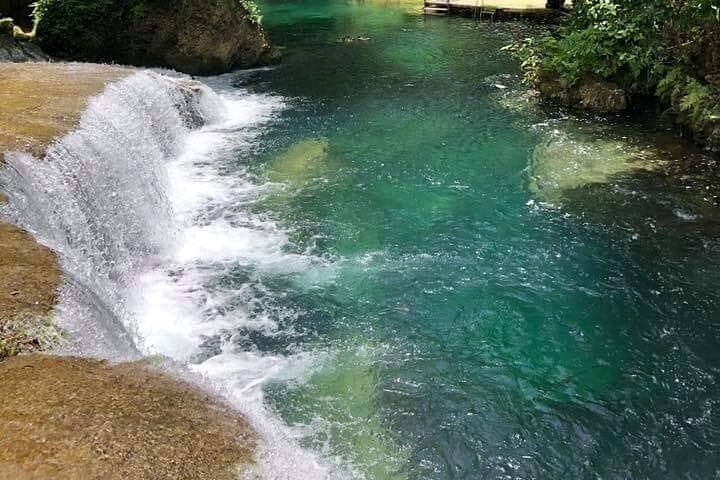
The Blue Lagoon near Efate is an impressive freshwater swimming hole about 45 minutes north of town and a perennial favourite. Ekasup Cultural Village has a guided half-day immersion in traditional ni-Vanuatu life, fire-making, traditional cooking, and custom dance. For the adventurous, a flight to Tanna Island (about 40 minutes) unlocks Mount Yasur, one of the world's most accessible active volcanoes, where you can stand on the crater rim at sunset watching lava explode, one of the Pacific's great experiences.
More Ways to Experience Port Vila
Tours, day trips, and local experiences curated by on-the-ground operators.
Didn't see anything interesting yet?
Browse Viator's full catalog of tours, day trips, food experiences, and private guides in Port Vila.
See All Port Vila Tours on Viator